
At a glance.
Leather.
Leather is the classic choice for dress watches. It softens with wear and gives a warm look, but sweat and water age it quickly. Tissot’s Classic Dream is sold on leather for that reason.
Rubber and FKM.
FKM is a fluororubber that resists sweat and does not yellow as easily as some rubbers. THORN’s T008 comes on a custom-molded FKM strap and the T018 on an imported FKM strap.
NATO, canvas and bundles.
NATO straps pass through the spring bars and under the watch, so they are secure and cheap to change. They suit field watches such as the A11. Check lug width first with our strap sizing guide.
Metal bracelets.
A bracelet is the durable default. Titanium bracelets, such as the one on the THORN SHY037, keep the weight down. Bracelet and strap types explains the clasp and link styles.
Choose a real strap around the material and the fit.
We like a material shortlist that also respects the attachment: a straight-end quick-release strap, a standard spring-bar strap and a model-specific made-to-order strap are different purchases. Compare the exact lug width, strap length and buckle finish before choosing. These are useful examples for different looks and fitting needs.
For an Apple Watch connector or a case-and-band, use our Apple Watch band buying guide instead of applying conventional lug-width sizing.
Watches with notable straps.
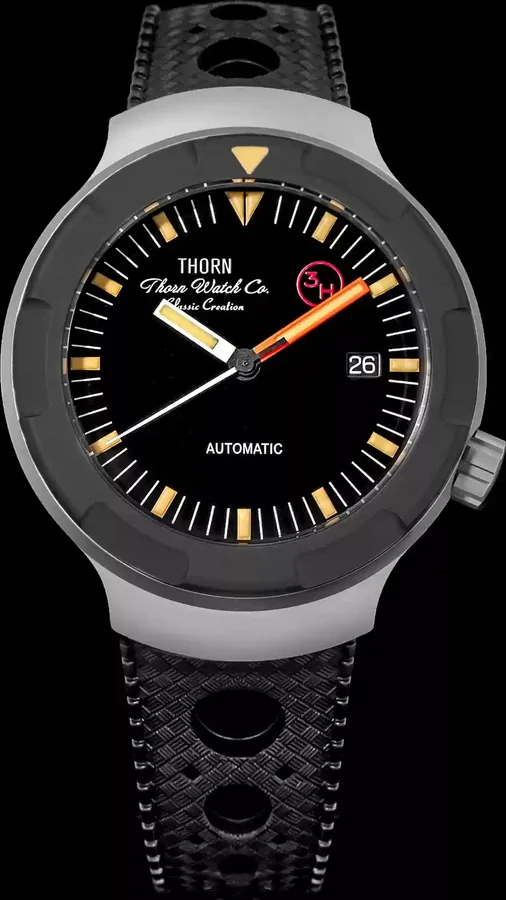
T018 Titanium PT5000 Dive Watch (Black Bezel)
A 77 g titanium diver with a black coating
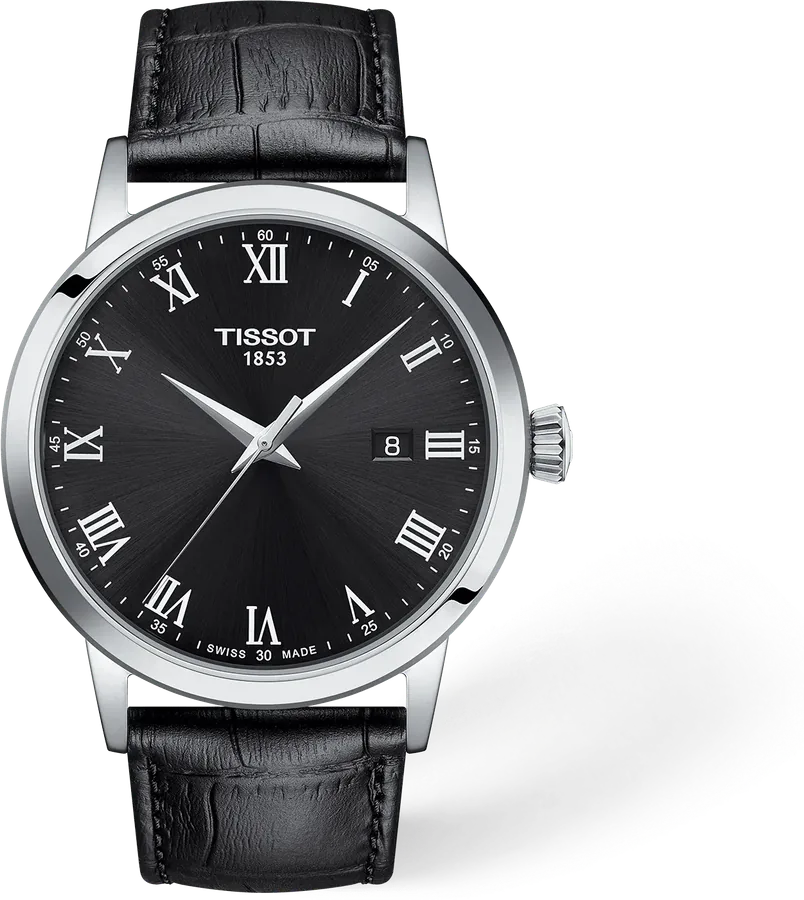
Classic Dream 42 Black Dial
The slim Classic Dream in black
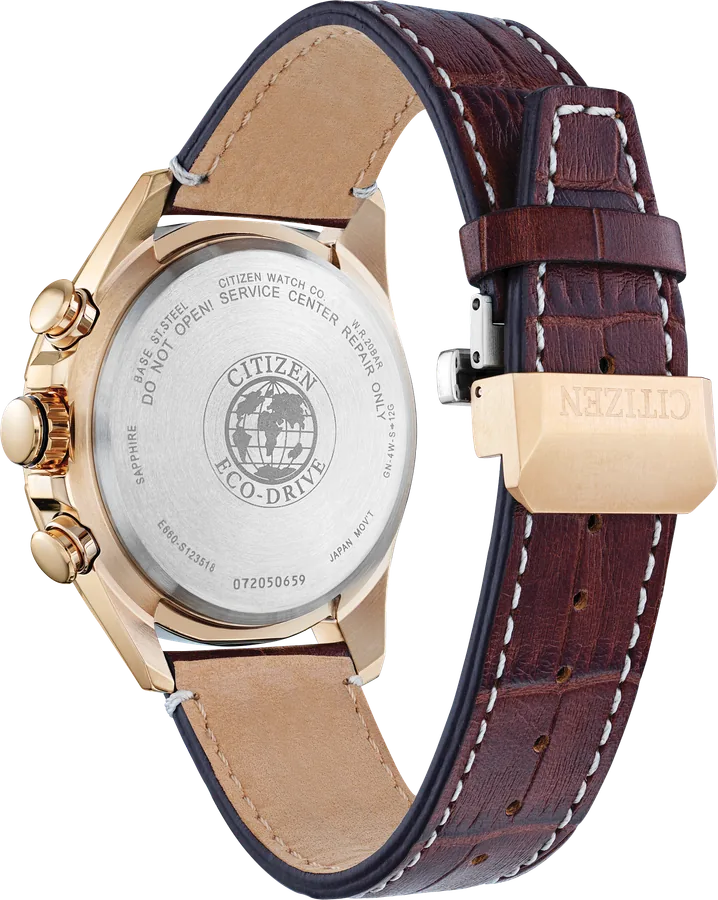
PCAT Green Dial Leather (CB5919-00X)
An atomic solar chronograph in rose gold-tone steel
A few good questions.
What is the best watch strap material?
It depends on use: leather for dress, rubber or FKM for water, NATO for casual and a bracelet for all-round durability.
Can I swim with a leather strap?
It is better not to. Water and sweat age leather, so switch to rubber, FKM or a bracelet.
What is FKM rubber?
A fluororubber used for watch straps that resists sweat, chemicals and yellowing.
What lug width do I need for a strap?
Measure the gap between the lugs and match the strap width; 18, 20 and 22 mm are common.
How we write guides: we explain watchmaking from manufacturer documentation and published standards, and say plainly where numbers vary by brand or movement. Our approach.