
What the standard covers.
ISO 6425 sets requirements for watches designed for diving, including water resistance testing, a unidirectional rotating bezel, legibility in low light and resistance to shock and magnetism. Certified watches are tested to the stated depth with a safety margin.
Rated vs certified.
A manufacturer can print “200 m” on a dial without having certified the watch to ISO 6425. When we review a diver, we note whether the seller states the standard. THORN and BODERRY list ratings in metres and ATM, but THORN’s listings, for example, do not state an ISO dive certification, as in our T028 review.
What to look for on a product page.
- A depth rating in metres or ATM.
- A screw-down crown and case back.
- A unidirectional rotating bezel.
- A clear statement of ISO 6425 if certification matters to you.
Do you need it?
For swimming, snorkelling and everyday water, a screw-down crown and a 100 to 200 m rating is plenty. Choose a certified watch if you scuba dive and want a documented standard. Our dive watch buying guide and water resistance guide cover the rest.
Divers we recommend.
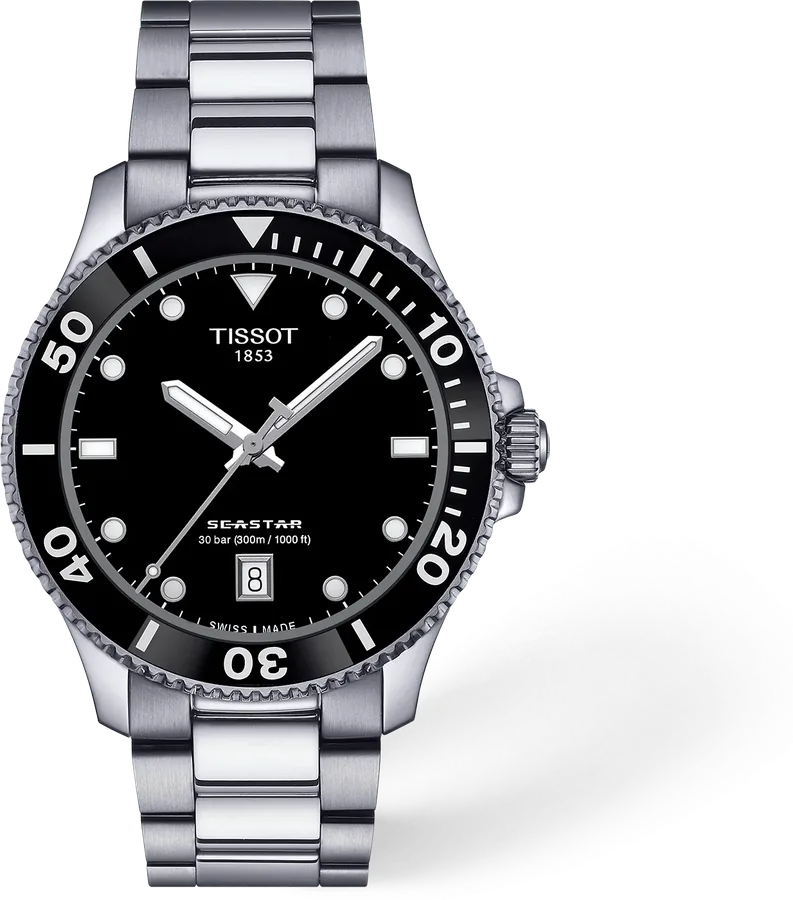
Seastar 1000 Quartz Black
A 300 m Swiss quartz diver
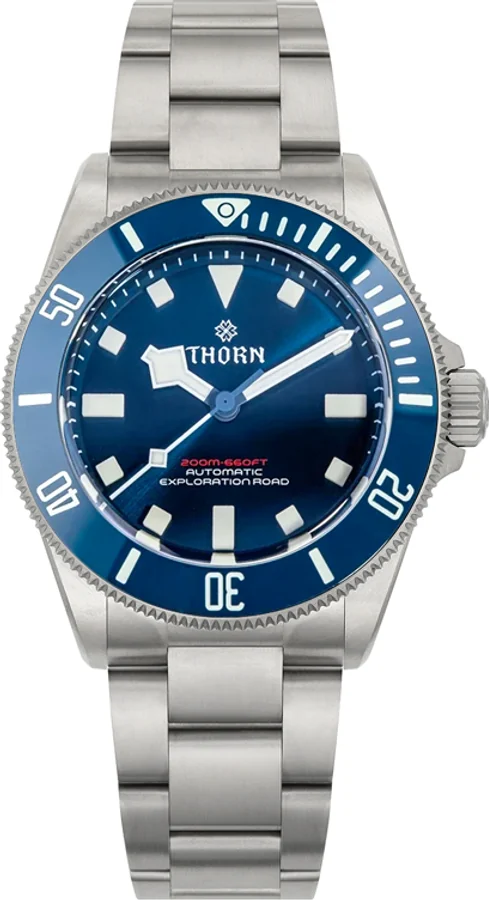
SHY036 39mm Titanium PT5000 Diver (Blue)
A 39 mm titanium diver with a ceramic bezel for under $200
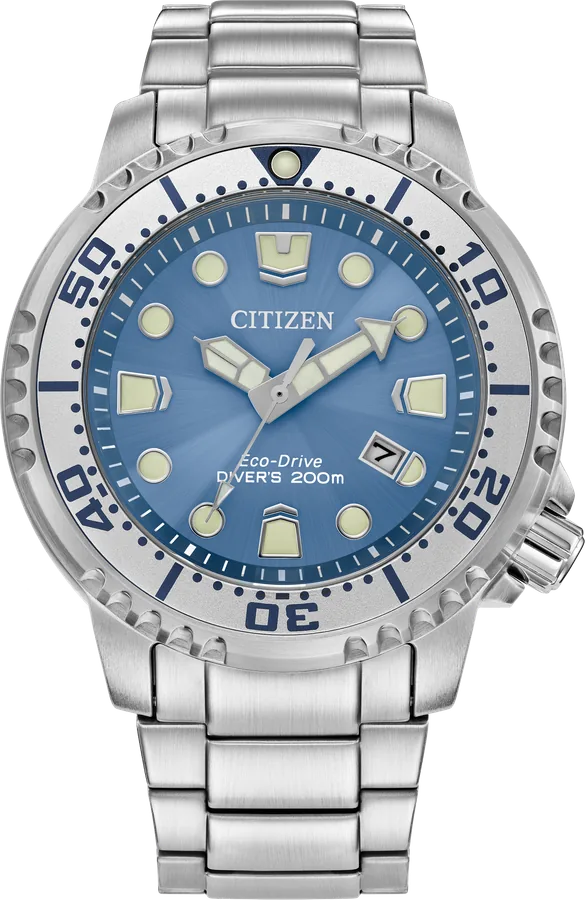
Promaster Dive Eco-Drive Light Blue
A solar-powered diver that never needs a battery
A few good questions.
What is ISO 6425?
The international standard for diver’s watches, covering water resistance, a rotating bezel, legibility, shock and magnetism.
Is a 200 m watch ISO 6425 certified?
Not necessarily. A depth rating is separate from certification, so check whether the seller states ISO 6425.
Can I swim with a 100 m watch?
Generally yes for swimming and snorkelling if the crown is fully screwed down or pushed in and the seals are in good condition.
Do I need a certified dive watch?
Only if you scuba dive and want a documented standard. For everyday water use a good rating and a screw-down crown are enough.
How we write guides: we explain watchmaking from manufacturer documentation and published standards, and say plainly where numbers vary by brand or movement. Our approach.