
What Swiss Made means.
Under Swiss law, a mechanical watch labelled Swiss Made must have a Swiss movement, be cased in Switzerland, have its final inspection in Switzerland, and have at least 60 percent of its manufacturing costs incurred in Switzerland. Many components can still come from elsewhere within those rules. Swiss Made is a real standard, but not a promise that every part is Swiss.
How Japanese watchmaking works.
Seiko and Citizen are vertically integrated: they make movements, hairsprings, dials, cases and even crystals themselves, from inexpensive quartz to luxury lines. Their movement companies also supply much of the wider industry: Seiko’s NH-series and Citizen’s Miyota movements power many microbrand watches. Microbrands explained.
Comparing them fairly.
These are broad tendencies. Individual models vary widely in both countries.
Which should you buy?
Choose the watch, not the country. Under $500, Japanese automatics and solar watches are hard to beat for specification. Between $500 and $1,000, Swiss watches such as Tissot’s Powermatic 80 range offer long reserves and Swiss finishing. Citizen Tsuyosa vs Tissot PRX puts the two approaches side by side.
Swiss and Japanese watches we recommend.
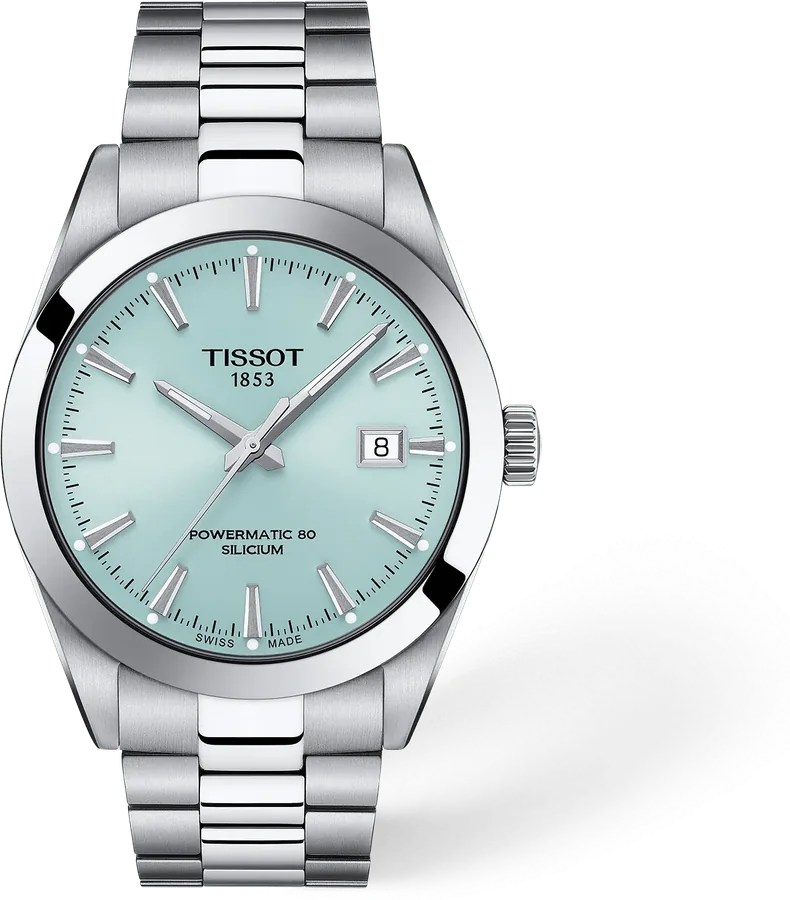
Gentleman Powermatic 80 Silicium Ice Blue
One watch for the office, the weekend and the pool
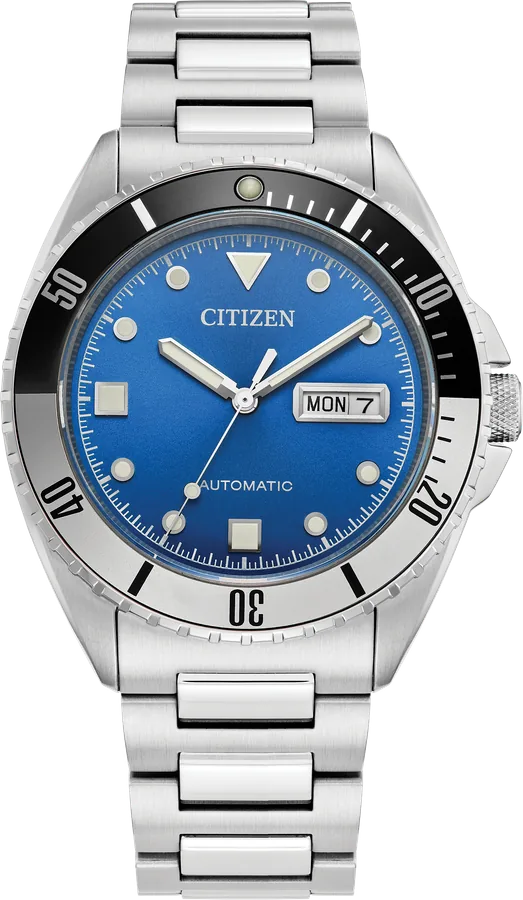
Sport Automatic Blue (NH7530-52M)
A sapphire sports automatic with a retro day-date
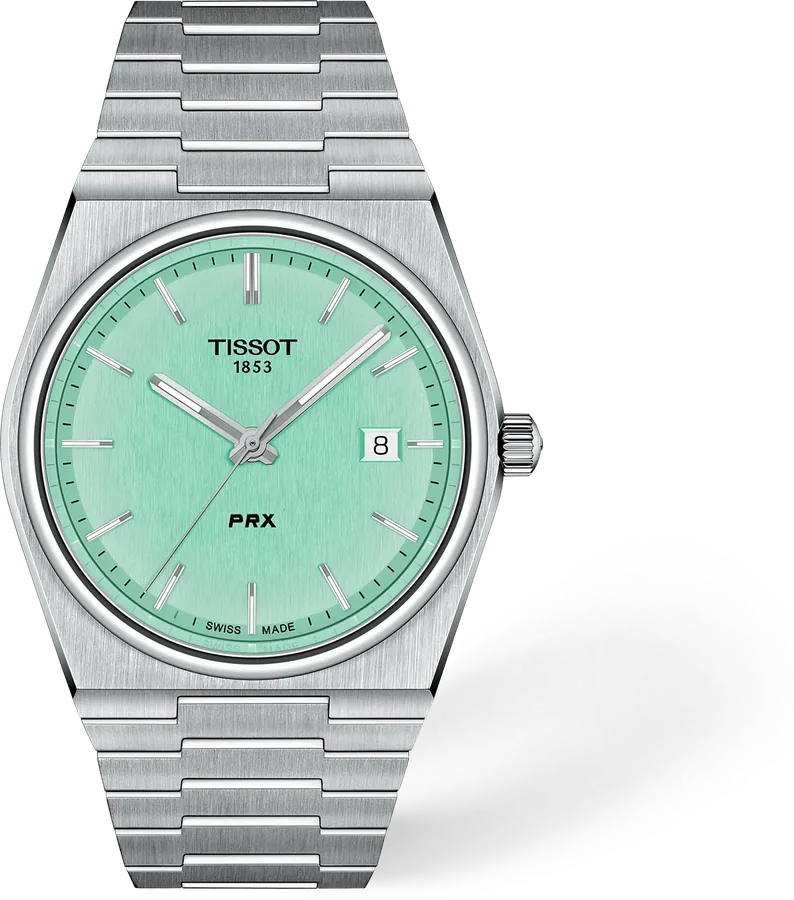
PRX 40mm Quartz Light Green
The PRX shape, at the PRX entry price
A few good questions.
Are Swiss watches better than Japanese watches?
Not automatically. Swiss watches carry heritage and usually stronger resale; Japanese watches often offer more specification for the money. Compare the specific watches.
What does Swiss Made mean on a watch?
For a mechanical watch, a Swiss movement, Swiss casing, Swiss final inspection and at least 60 percent of manufacturing costs in Switzerland.
Who makes Japanese watch movements?
Mainly Seiko (including its NH-series supplied to other brands) and Citizen (including Miyota), both of which also make their own watches.
How we write guides: we explain watchmaking from manufacturer documentation and published standards, and say plainly where numbers vary by brand or movement. Our approach.